

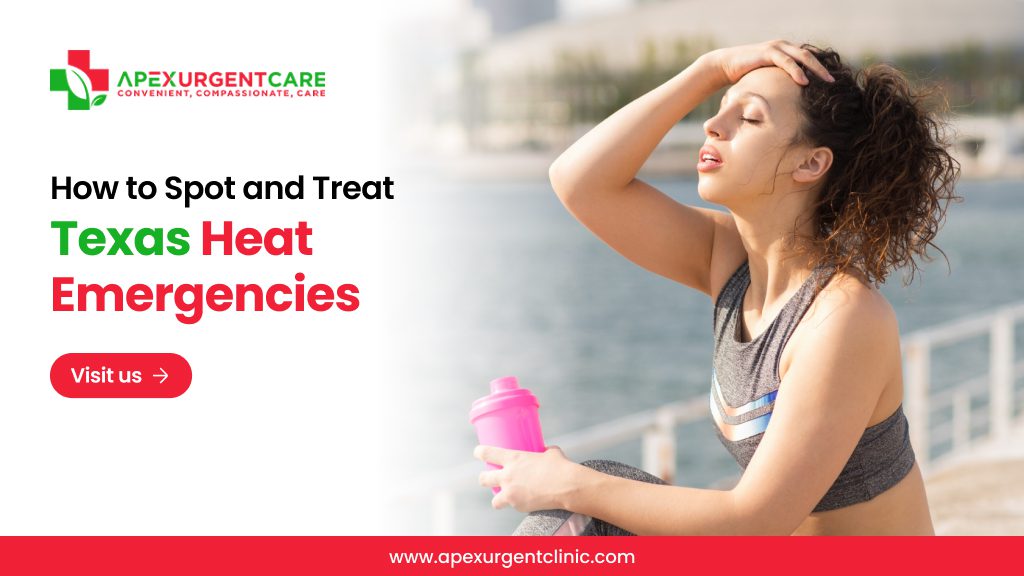
Summer is known for its intense heat, and in Houston, temperatures can reach dangerous levels. When temperatures range between 80°F and 90°F, most people experience mild sweating during outdoor activities. Between 90°F and 100°F, the body begins working much harder to stay cool, increasing the risk of dehydration, fatigue, headaches, and heat-related illnesses. Once temperatures rise above 100°F, combined with Houston’s high humidity, the environment becomes unsafe. At this stage, the body’s natural cooling system struggles to regulate internal temperature, placing people at risk for heat exhaustion and the life-threatening condition known as heat stroke.
Different age groups respond to extreme heat in different ways. Children become dehydrated faster because their bodies produce more heat and are less efficient at cooling. They become unusually tired, irritable, or stop playing altogether. Teenagers and young adults, especially athletes and outdoor workers, often ignore early warning signs while participating in sports or physically demanding jobs, making them vulnerable to heat illnesses. Adults who spend extended periods in the sun quickly lose fluids through sweating, which can impair physical performance and decision-making. Seniors face danger because aging reduces the body’s ability to regulate temperature, and many medical conditions or medications increase the risk of heat-related emergencies.
At Apex Urgent Care Clinic, our experienced Houston physician, Dr. Adewole, understands how Texas heat can affect your health. Our team provides prompt evaluation and treatment for heat exhaustion, dehydration, minor heat-related illnesses, and other urgent medical conditions. Through comprehensive Urgent Care services, we assess hydration status, monitor vital signs, provide treatment, and determine whether an IV hydration therapy is sufficient or advanced emergency care is necessary. We also treat non-life-threatening illnesses and injuries, helping patients recover while avoiding unnecessary emergency room visits.
Difference Between Heat Exhaustion and Heat Stroke
Heat exhaustion occurs when the body loses excessive amounts of water and salt through sweating. Symptoms often include heavy sweating, weakness, dizziness, nausea, muscle cramps, headache, cool or clammy skin, rapid heartbeat, and fainting. Although serious, heat exhaustion can be reversed with treatment before it progresses further.
The first response to heat exhaustion is to move the individual into a cool or shaded environment. Loosen or remove excess clothing, encourage slow sips of cool water or electrolyte drinks if the person is alert, and apply cool, wet towels or ice packs to the neck, underarms, and groin to help lower body temperature. Rest is essential, and symptoms should begin improving within a short period. However, if symptoms worsen, or the individual cannot keep fluids down, medical evaluation is necessary.
Heat stroke is a medical emergency. It develops when the body’s internal temperature rises to 104°F (40°C) or higher, causing the body’s cooling mechanisms to fail. Unlike heat exhaustion, a person experiencing heat stroke may have hot, flushed skin, confusion, slurred speech, loss of consciousness, seizures, rapid breathing, or an altered mental state. Some individuals may stop sweating altogether, although sweating can still occur in certain cases. Without immediate treatment, heat stroke can lead to permanent brain damage, organ failure, or death.
If you suspect someone is experiencing heat stroke, call emergency medical services while trying to cool the person. Move them to a cooler location, remove unnecessary clothing, and apply cold water, ice packs, or cooling towels while waiting for emergency responders. Do not force fluids if the person is confused, unconscious, or unable to swallow.
Preventing heat illness is better than treating it. Drink water throughout the day, even before you feel thirsty. Wear lightweight, breathable clothing, limit outdoor activities during the hottest afternoon hours, and take frequent breaks in air-conditioned or shaded areas. Never leave children, seniors, or pets inside parked vehicles, even for a few minutes, as temperatures inside a car can become deadly.
Houston summers should not prevent you from enjoying life safely. Knowing the warning signs of heat exhaustion and heat stroke allows you to act before a minor problem becomes a medical emergency. If you or a loved one begins experiencing symptoms of heat illness, don’t wait for the condition to worsen. Visit Apex Urgent Care Clinic to receive fast, compassionate Urgent Care from our dedicated healthcare team, ensuring you stay healthy and protected throughout the Texas summer.