

What physical symptoms are signs of stress, anxiety, or depression?
Do you have persistent headaches, fatigue, difficulty sleeping, or a racing heart without knowing why? You may have assumed you were tired, overworked, or coming down with an illness. Sometimes these symptoms can be connected to your mental health.
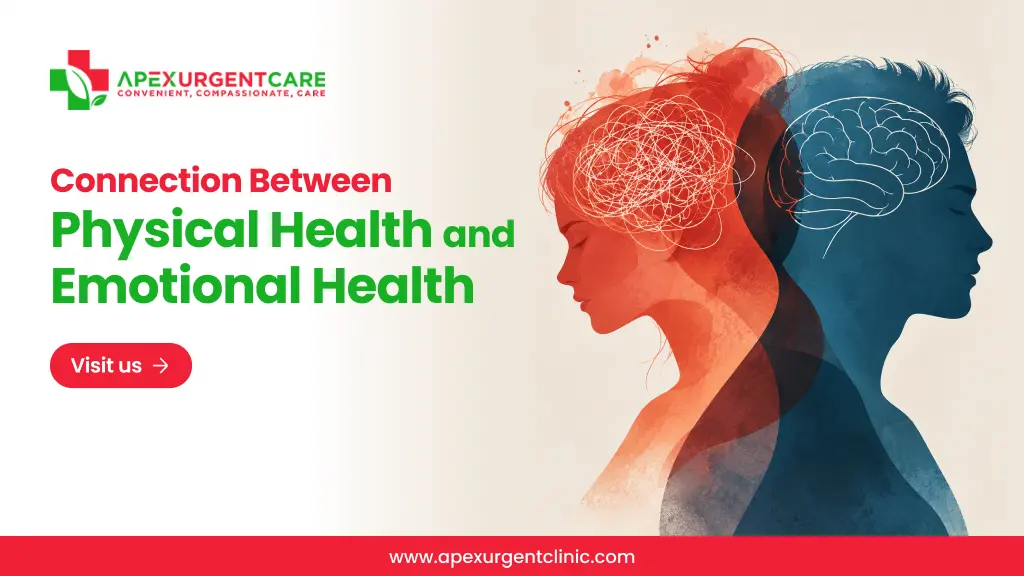
The mind and body are closely connected. Stress, anxiety, and depression can affect physical health, sometimes in ways that are difficult to recognize. Understanding this connection helps you know when to seek medical advice and why your emotional well-being deserves as much attention as your physical health.
When Emotional Stress Shows Up in Your Body
Your body responds to stress through a complex network involving the brain, nervous system, and hormones. However, when stress becomes persistent, it may begin to affect sleep, digestion, muscle tension, concentration, and overall well-being.
Common physical symptoms associated with stress and anxiety include:
- Frequent headaches and muscle tension: Ongoing stress contributes to headaches, tight shoulders, and neck pain.
- Fatigue and low energy: Emotional strain and disrupted sleep can leave you feeling exhausted, even after resting.
- Sleep disturbances: Anxiety and persistent worries make it difficult to fall asleep, stay asleep or feel refreshed in the morning.
- Digestive discomfort: Stress can influence the digestive system, contributing to symptoms such as nausea, abdominal discomfort, or changes in bowel habits.
- A racing heart or shortness of breath: Anxiety can produce these sensations, but they may also indicate a physical health problem that needs assessment.
Experiencing one or more of these symptoms does not mean you have a mental health condition. Physical illnesses, medication effects, and other factors can cause similar problems. That is why understanding the possible causes matters.
Could Anxiety or Depression Be Affecting Your Physical Health?
When anxiety becomes persistent or overwhelming, it affects daily activities, relationships, sleep, and physical comfort. Some people experience constant worry, restlessness, or difficulty concentrating, even when they cannot identify a reason.
Depression does not always present as sadness. It can involve persistent low mood, loss of interest in activities, changes in sleep or appetite, difficulty concentrating, and unexplained aches or low energy.
Stress, anxiety and depression can also overlap. For example, someone experiencing ongoing work pressure may struggle to sleep, feel exhausted during the day, and become anxious. If the pattern continues, it becomes harder to manage daily responsibilities.
Why Your Primary Care Doctor Should Be Part of the Conversation
When physical symptoms persist, recur, or interfere with daily life, a primary care doctor in Houstonis a starting point.
During a consultation, the doctor asks about your symptoms, medical history, sleep patterns, medications, daily stressors, and emotional well-being. Depending on your circumstances, a physical examination or additional tests may be needed to investigate medical causes.
Your provider will discuss whether screening for anxiety or depression is appropriate. If mental health concerns are identified, the next steps may include counseling, lifestyle support, medication when clinically indicated, or referral to a mental health specialist.
This is one of the key benefits of mental health care in primary care: physical and emotional symptoms can be considered together.
At Apex MD Primary Care & Wellness Center, patients discuss health concerns with a healthcare professional and receive guidance on appropriate evaluation and next steps.
Small Steps Support Your Mind and Body
Daily habits contribute to emotional and physical well-being, although they are not substitutes for professional care when symptoms persist.
Consider these steps:
Prioritize consistent sleep. Establish a regular sleep schedule and create a relaxing bedtime routine.
Make time for movement. Walking or physical activities suited to your abilities may support mood, sleep, and general health.
Stay connected. Talking with a trusted friend, family member, or qualified professional can help you manage difficult experiences.
Notice your stress patterns. Pay attention to situations that leave you feeling overwhelmed and consider healthy responses.
When Should You Seek Medical Attention?
Do not dismiss persistent physical symptoms because you suspect stress. A healthcare professional can help determine whether further evaluation is needed.
Seek emergency medical attention for severe or sudden symptoms, including chest pain, significant difficulty breathing, fainting or new neurological symptoms. Do not assume these are caused by anxiety.
Persistent emotional distress deserves professional attention, even when you can manage your daily responsibilities.
Your Health Is More Than What You Feel Physically
If you notice changes in your body, mood, or sleep that you cannot explain, consider discussing them with a healthcare professional.
At Apex MD Primary Care & Wellness Center, your well-being matters. Contact our team to discuss your primary care needs and learn about appropriate next steps for your physical and emotional health.
Disclaimer: This article is for educational purposes only and is not a substitute for professional medical advice, diagnosis or treatment.